
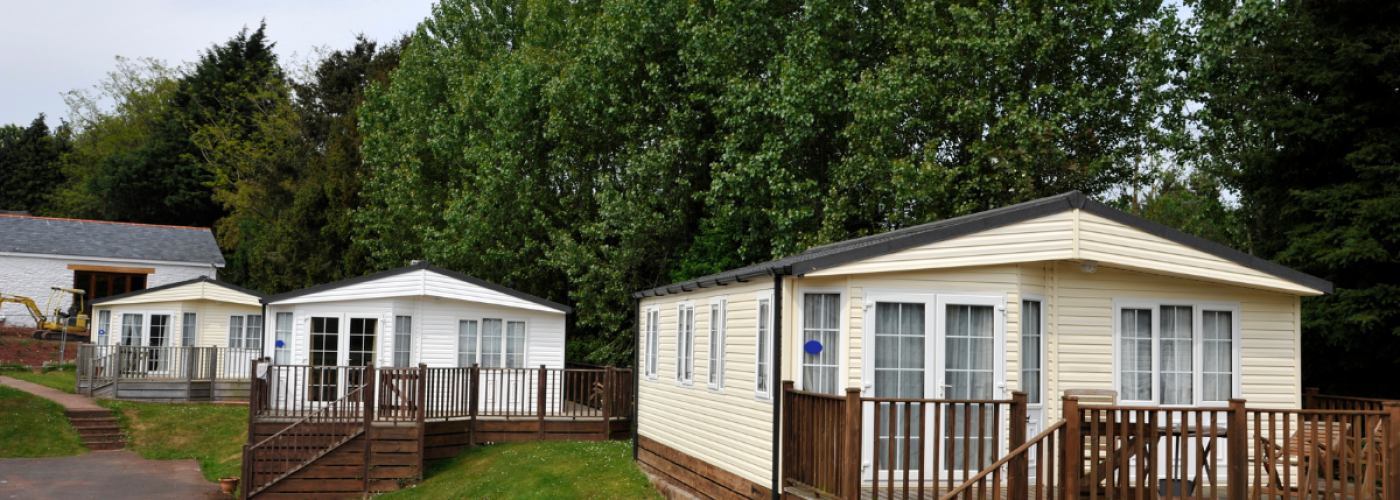
Buying your first mobile home can be an exciting step toward affordable homeownership, downsizing, or embracing a more minimalist lifestyle. But before you make the leap, it’s important to understand what makes mobile home ownership unique. Here are 10 essential things you should know before signing on the dotted line.
1. Know the Different Types: Mobile, Manufactured, and Modular
The term “mobile home” is often used interchangeably with “manufactured home,” but there’s a distinction. Technically, a mobile home refers to homes built before June 15, 1976, before federal HUD standards went into effect. Homes built after that are called manufactured homes. Modular homes, meanwhile, are built in sections in a factory but must meet the same building codes as site-built homes. Understanding these differences will help you navigate listings and regulations.
2. Financing Can Be Tricky
Mobile homes are typically considered personal property, not real estate—especially if they’re not permanently affixed to land. As a result, traditional mortgages may not apply. Instead, you may need a chattel loan, which often has higher interest rates. If the home is on land you own or plan to purchase, you may have more financing options.
3. You’ll Likely Pay Lot Rent
Unless you’re buying land along with your mobile home, you’ll need to rent a lot in a mobile home park. Lot rent varies depending on location, amenities, and demand, and it can increase over time. Always read the lease agreement carefully and ask about things like utilities, trash collection, and park rules. You are most likely not going to be having a garage, that needs garage door spring repair in Houston, TX.
4. Transportation Isn’t Simple or Cheap
Despite the name, mobile homes are not designed to be moved frequently. Transporting a mobile home involves specialized equipment, permits, and professionals, and it can cost anywhere from $5,000 to $15,000 or more, depending on the distance and size of the home. Some older homes may not even be structurally sound enough to relocate safely. Make sure to factor in transportation costs of mobile home moving in Alberta if the home needs to be moved to a new location.
5. Inspections Are Still Important
Even if the home is newer, always get a professional inspection. Mobile homes can be more vulnerable to moisture, structural issues, and faulty wiring, especially if they’ve been moved multiple times or modified poorly. A thorough inspection can save you thousands down the road.
6. Check Local Zoning Laws
Some municipalities have zoning restrictions that limit where mobile or manufactured homes can be placed. Before buying, confirm that the home can legally be placed on your desired lot—or that it’s grandfathered in where it currently sits.
7. Utilities May Require Special Hookups
Unlike traditional homes, mobile homes may require specific setups for utilities like water, sewer, and electricity. If the home is being placed on raw land, you’ll need to ensure access and potentially invest in infrastructure, which can get expensive.
8. Resale Value May Be Lower
Mobile homes often depreciate in value like vehicles, especially if they’re not on owned land. However, homes in desirable communities or with high-quality renovations can hold or increase their value. Buying smart and maintaining your home well are key to protecting your investment.
9. Insurance Is Different
You’ll need a specialized insurance policy for a mobile or manufactured home. Rates can vary depending on the home’s age, location, and condition. Be sure to shop around and understand exactly what’s covered—including whether it includes transportation or relocation in emergencies.
10. Community Matters
Mobile home parks vary widely—some are quiet, family-friendly neighborhoods, while others cater to retirees or RV travelers. Visit potential communities, talk to residents, and read reviews. The park’s rules, culture, and management can have a huge impact on your quality of life.
Buying a mobile home is a major decision—but for many people, it offers a flexible, affordable path to homeownership. Do your research, ask questions, and plan ahead—especially when it comes to transportation and placement. With the right preparation, your mobile home journey can be smooth, rewarding, and surprisingly comfortable.