
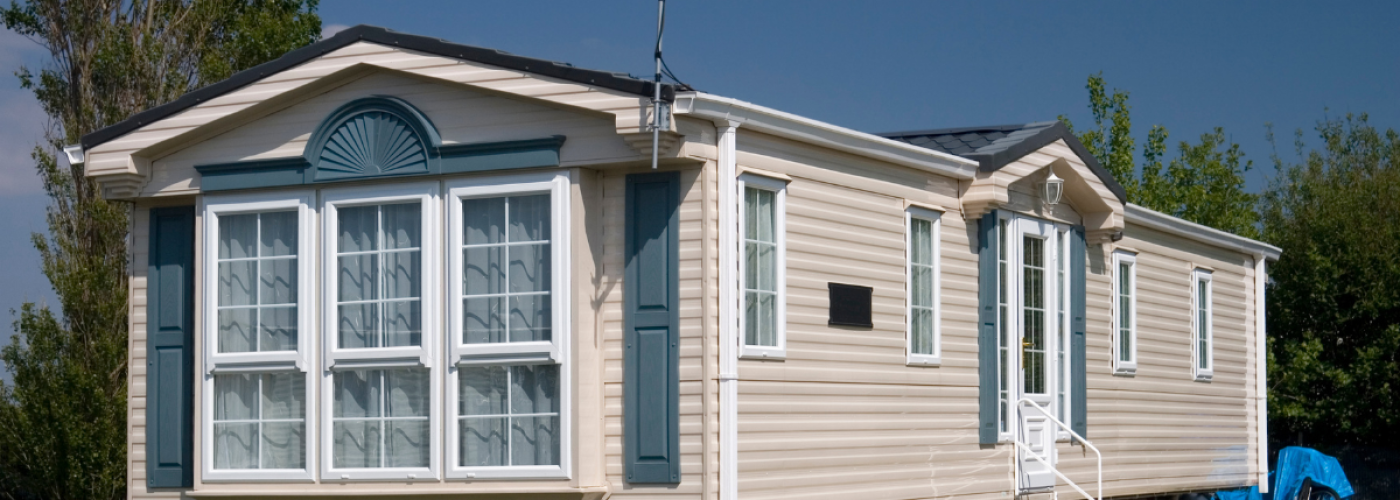
A mobile home that is not properly leveled will let you know eventually, usually through sticking doors, cracked drywall, or a floor that feels slightly off when you walk across it. Leveling is one of those jobs that is easy to ignore until it becomes expensive to fix. Here is what it involves and why it is worth doing right.
What Leveling Actually Means
Leveling is the process of adjusting the piers or supports under a mobile home so the frame sits evenly from end to end and side to side. Homes settle over time as the ground shifts underneath them, especially through Alberta freeze and thaw cycles, so even a home that was perfectly level when it was set can drift out of level within a few years.
Signs Your Home Needs Leveling
Doors and windows that stick or will not close properly are usually the first clue. Gaps appearing between walls and ceilings, cracks forming near corners, or a floor that visibly slopes are all signs the home has shifted. If you are moving a mobile home to a new site, leveling is not optional. It is part of the setup process, and skipping it or rushing it is one of the most common mistakes we see, which we cover in more detail in our cost to move a mobile home in Alberta post.
Why Alberta Ground Conditions Make This an Ongoing Job
Frost heave is a real factor here. Ground that freezes and thaws repeatedly through the winter can push piers unevenly, which means a home that was level in the fall might need a check in the spring. Our post on Alberta weather and its impact on mobile homes goes deeper into how the seasons affect your home’s structure over time.
What the Process Looks Like
A proper leveling job starts with measurements taken at multiple points across the home, followed by adjustments to the piers or blocks underneath until the frame reads level in every direction. It typically takes a few hours for a single wide home and longer for a double wide, depending on how far out of level it has drifted.